
Paper Girls Store: A 90s‑Era Film That Rethinks Sci‑Fi
Step into a world where neon windbreakers, mixtape‑filled lockers, and dial‑up internet collide with alien conspiracies and time‑bending mysteries. The new film Paper Girls Store captures the pulse of the early‑90s while daring to rewrite the rules of science‑fiction storytelling. It isn’t just a nostalgic ride; it’s a bold experiment that uses the era’s unmistakable visual language to explore questions about fate, friendship, and the cost of progress. If you think the 90s are dead, this movie proves they’re alive, bright, and ready to reshape the future of the genre.
The 90s Retro Aesthetic
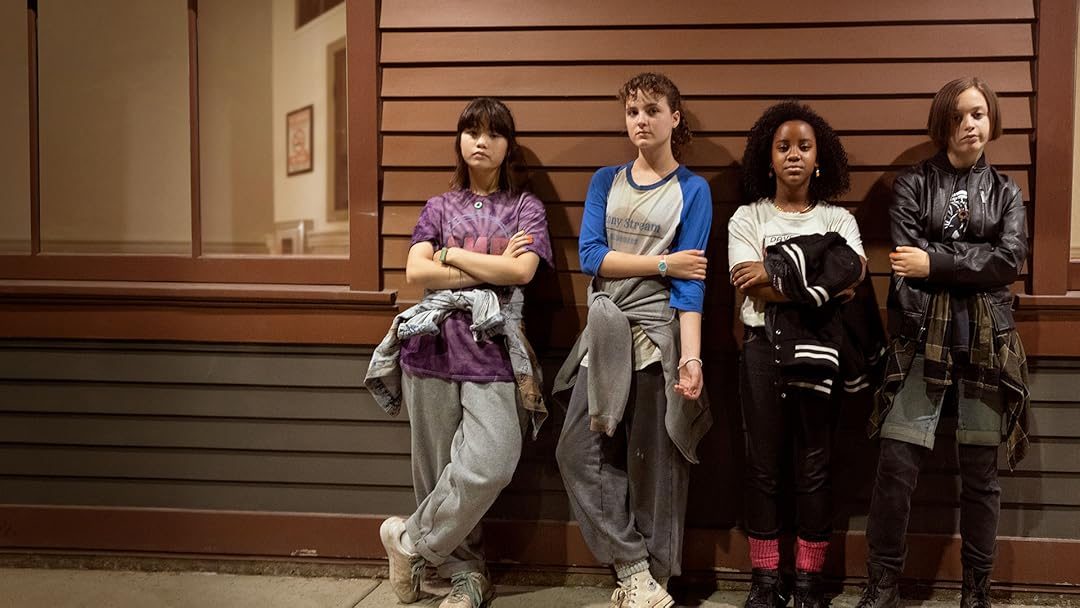
From the opening shot of a grainy arcade to the flicker of a CRT television broadcasting a talk‑show interview, the film immerses viewers in a meticulously crafted period setting. Every costume—high‑waisted jeans, oversized flannel shirts, and chunky sneakers—feels authentic, as if ripped straight from a 1994 yearbook. The color palette leans heavily on electric teal, magenta, and static‑white, echoing the era’s love for bold, saturated hues.
Production design also leans into the technology of the time. Rubbery handheld game consoles, floppy disks, and clunky handheld phones appear not as props but as story devices. Their limitations become a source of tension; a missed call on a brick phone could mean the difference between escaping an alien ambush or staying trapped in a looping time‑rift. By grounding the sci‑fi elements in familiar tech, the movie makes the impossible feel plausible.
The soundtrack, a curated mix of grunge anthems, early‑90s pop, and lo‑fi electronica, further reinforces the era’s vibe. Each track is placed with intention, echoing the emotional beats of the narrative. When a character turns on a Walkman, the music isn’t just background—it becomes a signal, a cue that something beyond the ordinary is about to unfold.
Paper Girls Store Rethinks Classic Sci‑Fi
Traditional science‑fiction often leans on sleek, futuristic aesthetics and cold, calculating androids. Paper Girls Store flips that script by inserting youthful exuberance and a raw, almost handheld quality into its visual storytelling. Instead of sterile labs, the film showcases abandoned warehouses filled with graffiti, skateboards, and old newspaper stacks—places where a teenage gang could realistically gather.
The narrative structure also subverts expectations. Rather than following a lone hero on a cosmic quest, the plot centers on a group of four friends who stumble upon a secret government experiment hidden inside an old convenience store. Their camaraderie, banter, and occasional bickering drive the story forward, emphasizing that collective curiosity can outshine individual brilliance.
Time travel, a staple of sci‑fi, is treated with a fresh twist. The film avoids paradoxes and grand revelations, focusing instead on the intimate consequences of minor temporal shifts. A misplaced cassette tape changes the outcome of a school dance, which in turn alters the entire timeline. This micro‑scale approach makes the high‑concept premise feel grounded in everyday life.
Character Depth and Nostalgia
Each protagonist brings a distinct personality that reflects the diverse subcultures of the 90s—grunge, rave, skate, and early internet geek. Their backstories are hinted at through quick flashbacks: a broken family, a first crush, a secret crush on a classmate who whispers about UFO sightings. These details make the characters relatable, turning them from archetypes into fully realized individuals.
The film also uses nostalgia as a narrative tool, not just a decorative element. A scene where the group rewatches an episode of a popular 90s cartoon serves as a catalyst for a crucial clue about the alien technology they are confronting. The flickering TV screen becomes a portal, linking past pop‑culture to present danger.
Dialogue is peppered with period‑appropriate slang—“rad,” “as if,” and “talk to the hand”—but it never feels forced. The writers let the language evolve naturally, allowing viewers who lived through the decade to smile, while younger audiences pick up authentic linguistic cues.
Cultural Impact and Future Outlook
Since its premiere, Paper Girls Store has sparked conversations beyond the cinema. Academics discuss its role in reshaping the sci‑fi canon, while fashion designers draw inspiration from its iconic wardrobe for upcoming collections. Social media platforms are flooded with fan art that reimagines classic sci‑fi ships as 90s vans adorned with bumper stickers.
The movie also opens doors for more genre mashups. By proving that a love letter to a specific era can coexist with high‑concept storytelling, it encourages studios to experiment with other nostalgic time frames. Imagine a cyber‑punk thriller set in the neon glow of the early 2000s, or a post‑apocalyptic saga anchored in the optimism of the 1960s.
Looking ahead, the creators have hinted at a possible series extension, exploring the aftermath of the store’s revelation and delving deeper into the alternate timelines introduced. If the film’s success is any indicator, audiences are hungry for more stories that blend the comfort of the past with the excitement of speculative futures.
In the end, Paper Girls Store works because it honors the 90s without being trapped in it. It delivers a thrilling sci‑fi adventure that feels fresh, thanks to its bold visual choices, character-driven plot, and inventive reimagining of classic genre tropes. For anyone seeking a film that feels both nostalgic and forward‑thinking, this is the perfect ticket to a time‑warp you won’t soon forget.